The Benefits of Learning a New Skill While Traveling
Traveling is often seen as a break from the daily grind, but it can also serve as a unique opportunity to learn new skills. This article explores the advantages of integrating skill development into your travel experiences, highlighting both personal and professional growth while addressing realistic expectations.
Understanding the Value of Learning
Learning a new skill while traveling can enhance your overall experience. According to research conducted by the Institute for the Future, engaging in new learning activities can improve cognitive flexibility, which is essential for adapting to new environments. When you learn something new, you stimulate your brain, which can lead to improved problem-solving skills and creativity.
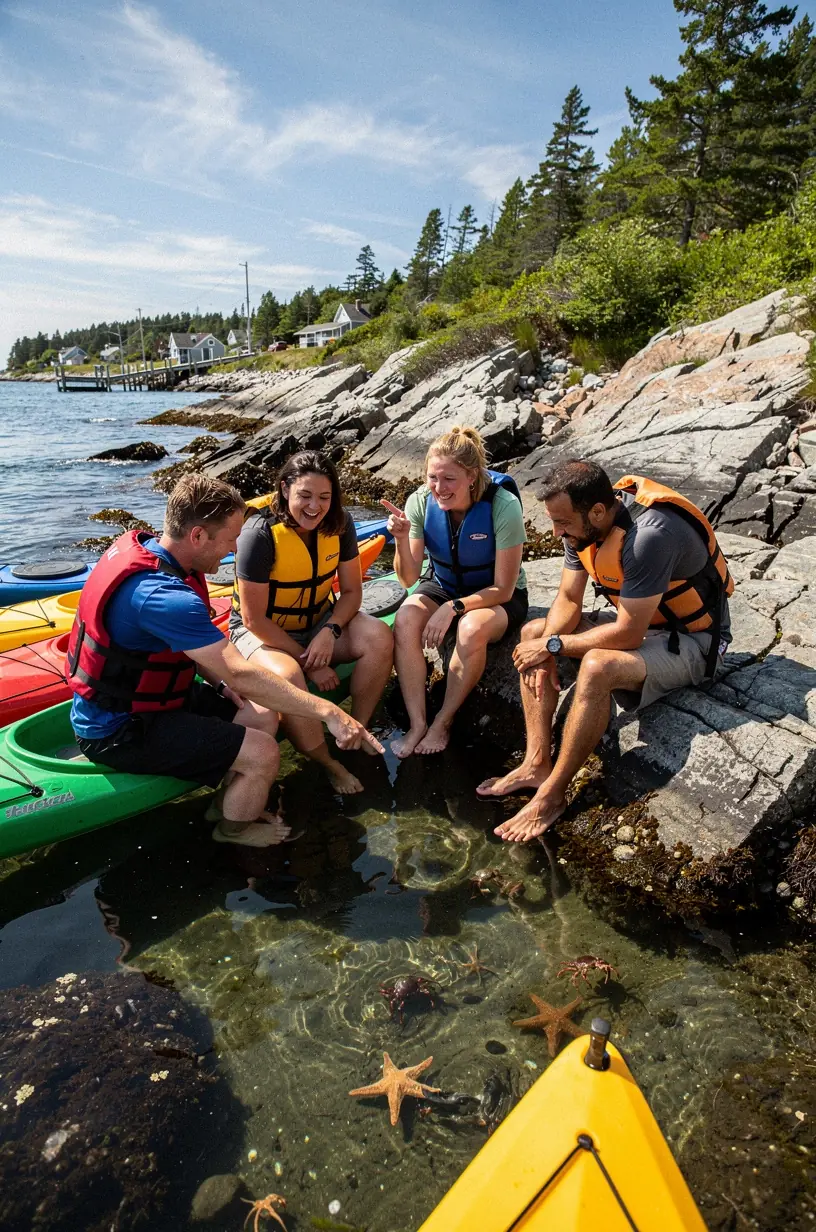
"Engaging in new experiences while traveling can enhance cognitive functions and foster personal growth."
Benefits of Skill Learning During Travel
Here are several key benefits to consider when planning a trip focused on skill development:
- Cultural Immersion: Learning a local craft, such as pottery in Mexico or sushi-making in Japan, allows you to immerse yourself in the culture. This hands-on experience often leads to deeper connections with local people and their traditions.
- Enhanced Enjoyment: Studies show that people who engage in skill-building activities during travel often report higher satisfaction levels. For instance, many users report that taking a cooking class in Italy significantly enhanced their enjoyment of the local cuisine.
- Networking Opportunities: Skill classes can be a great way to meet people with similar interests. According to experts, building relationships while traveling can lead to lifelong friendships and potential professional connections.
How to Incorporate Skill Learning in Your Travels
Integrating skill learning into your travel plans can be straightforward. Here are steps to consider:
- Identify Your Interests: Before you travel, think about what skills you want to learn. This could vary from photography to language classes. Identifying your interests can help tailor your travel experience.
- Research Opportunities: Look for local classes or workshops that align with your interests. Websites like Airbnb Experiences and Viator often feature unique classes led by local experts.
- Plan Your Schedule: Be realistic about time commitments. Many classes typically take 2-4 hours, but some may require more extended commitments. Ensure your travel itinerary allows for this time.
Acknowledging Limitations
While learning new skills can be rewarding, it’s important to set realistic expectations. Gaining proficiency in a skill requires practice and dedication. For example, mastering a new language often involves daily practice and may not yield immediate results. Additionally, certain skills may not be suitable for all travelers; for instance, physically demanding activities may not be ideal for everyone.
Conclusion
Incorporating skill learning into your travel experience can yield numerous personal and professional benefits, from enhancing enjoyment to building connections. While it requires dedication and realistic planning, the rewards typically outweigh the challenges. As you plan your next adventure, consider making skill learning a priority—it may just be the most enriching part of your journey.