How to Combine Travel with Personal Development Goals
In an increasingly connected world, travel offers a unique opportunity to not only explore new places but also to engage in personal development. By aligning your travel experiences with your personal goals, you can enhance your journey significantly.
Understanding the Benefits of Travel for Personal Growth
Travel can serve as a catalyst for personal development for several reasons. According to research conducted by the Global Coalition on Aging, traveling can lead to improved emotional well-being and cognitive flexibility. Engaging with new cultures and experiences can challenge your perspectives and encourage personal growth.
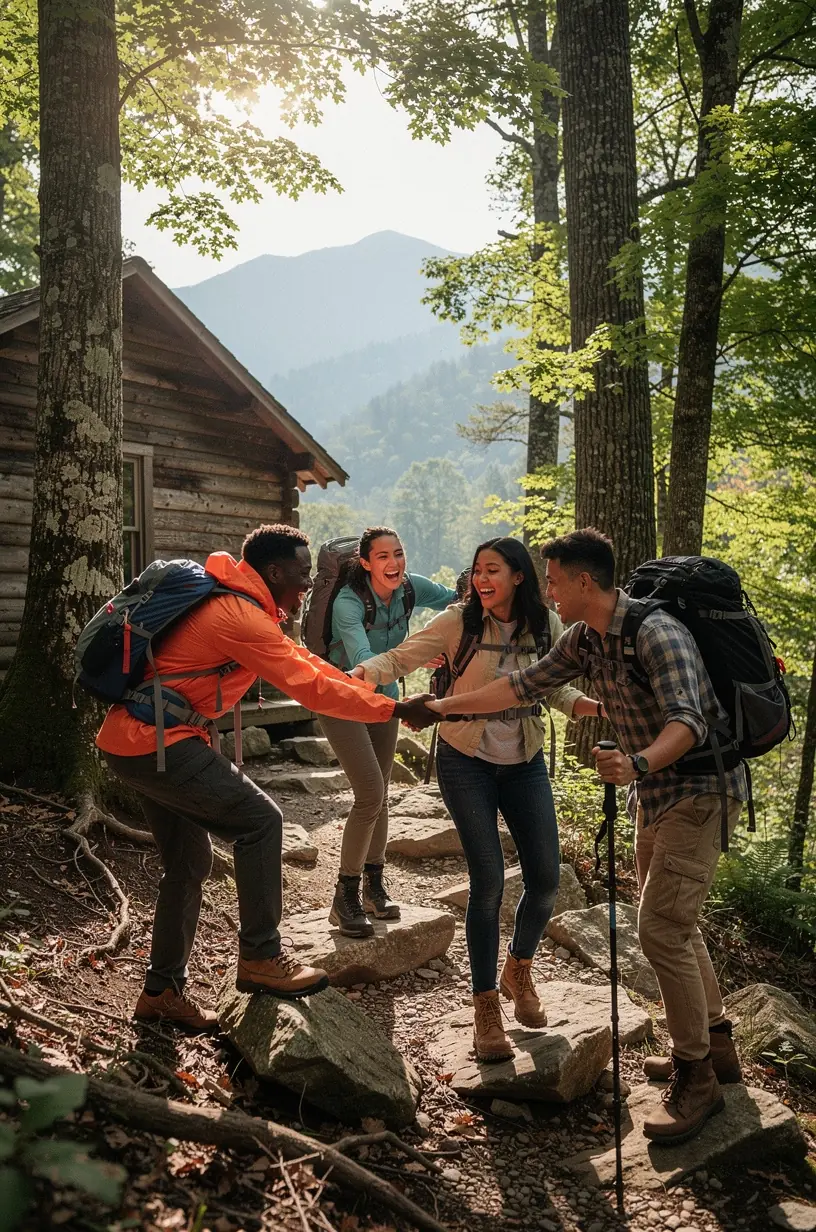
"Travel is the only thing you buy that makes you richer." – Anonymous
Identifying Personal Development Goals
Before embarking on your journey, it’s essential to define your personal development goals. These might include:
- Learning a New Skill: For example, taking a cooking class in Italy or a photography workshop in Peru can be both enjoyable and educational.
- Improving Emotional Intelligence: Engaging with diverse cultures can help develop empathy and adaptability.
- Enhancing Physical Health: Incorporating activities like hiking or yoga during your travels promotes physical well-being.
How to Plan Your Travel Around These Goals
Once you’ve defined your goals, planning becomes the next step. Here’s how:
- Research Destinations: Look for locations known for activities that align with your goals. Websites like Meetup or Eventbrite can help you find local events related to your interests.
- Set a Flexible Itinerary: While it’s beneficial to have a plan, allow for spontaneity. Many users report that unplanned experiences often lead to the most significant personal growth.
- Engage with Locals: Interacting with residents can provide insight into their culture and enhance your understanding, which can be particularly beneficial for emotional intelligence development.
Anticipating Challenges and Limitations
Traveling with personal development goals in mind can indeed be rewarding; however, it often requires a significant time and effort commitment. For instance:
- Many users find that fully immersing in a new culture typically takes several weeks, so be realistic about your schedule.
- Some activities, like learning a new language, may require daily practice over months to see substantial results.
- Traveling can involve unforeseen challenges, such as language barriers or cultural differences, which may require patience and adaptability.
Conclusion
Traveling can be a powerful means to achieve personal development goals when approached thoughtfully. By clearly identifying your objectives, planning strategically around them, and remaining open to new experiences, you can enrich both your travels and your personal growth. Remember, the journey of self-discovery is ongoing, and travel can be a significant part of that process.